
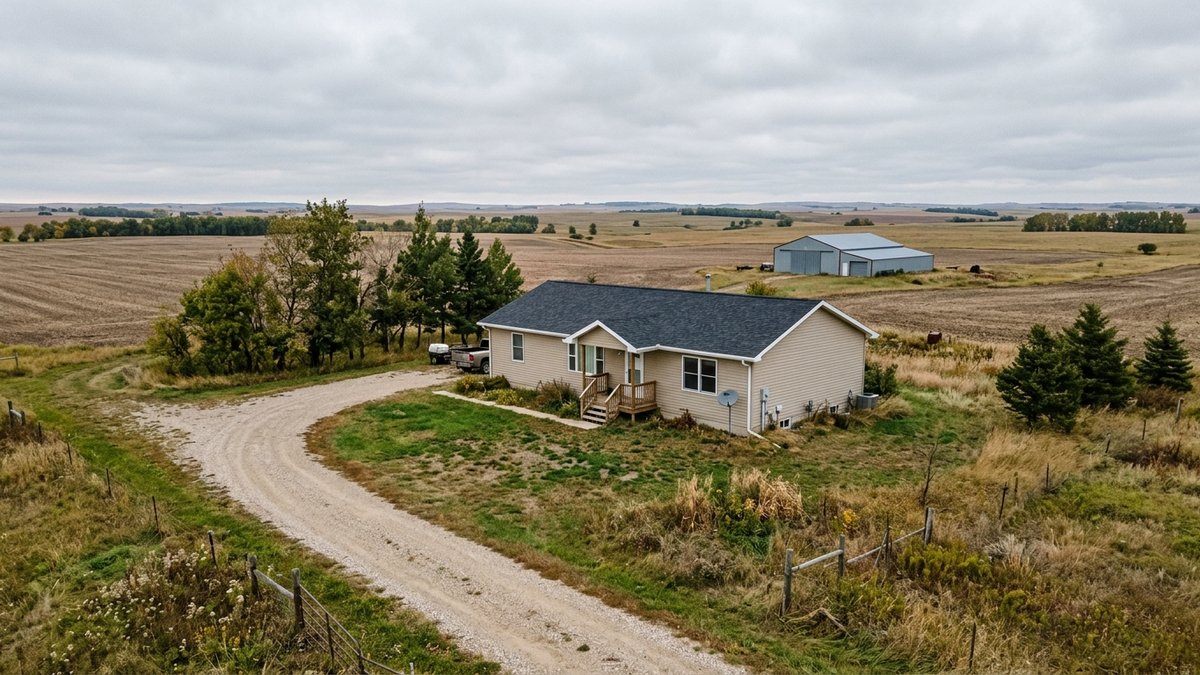
Should you prefer rural water or a private well on a South Dakota acreage?
Neither source wins by default. A rural-water connection can offer treated service and remove routine well-maintenance work, while a private well can be the existing source for an acreage that does not have a practical rural-water option. The useful choice is the one that is documented at the parcel and fits the responsibilities you are prepared to take on after closing. A broad statement that a property is rural, or that a district serves the county, does not settle that question.
Start by identifying what supplies the home today. If the listing says rural water, ask which operator serves the address and request the current account or service information through the appropriate property channels. If the listing says private well, ask for the available well construction, pump, and water-test records. Those records do not make a future outcome certain, but they give a buyer a clearer starting point than an assumption based on the location.
This distinction matters most for readers considering South Dakota acreages or rural homes in South Dakota. An acreage search often includes homes with land, outbuildings, and a wider range of utility setups than an in-town search. Keep the water question attached to the exact property while using the South Dakota acreage buying guide to narrow the kind of home and location you want to explore.
What should you confirm before counting on rural water?
Confirm the provider and the parcel before treating rural water as available. The South Dakota Association of Rural Water Systems lists 33 systems and shows counties or communities served. That directory is a helpful place to identify a likely operator. It is not proof that a line reaches a particular driveway, that a connection can be made, or that a system has the terms a buyer expects.
Ask the operator or the responsible property contact for a current, parcel-specific answer. Useful questions include whether the home is already connected, who owns or maintains any relevant equipment, what records are available, and what service terms or charges apply to the address. If the property is not connected, ask what information the operator needs before it can assess the location. Keep any answer in writing with the rest of the property file.
South Dakota Department of Agriculture and Natural Resources notes that rural water can provide treated service and no well-maintenance concerns. That general benefit does not remove the need to confirm the exact setup. A buyer can compare the known rural-water information with the private-well information only after both are tied to the same parcel. For a broader property search, the acreage community page can help organize locations, but the operator must confirm the water service for the individual home.
Which private-well records matter before you buy?
Ask for the records that describe the existing well and the records that speak to water testing. South Dakota law requires a water sample from each new domestic well to be submitted to the Department of Health laboratory or another approved laboratory. DANR says the minimum new-well analysis includes nitrate, coliform bacteria, sodium, conductivity, and sulfate. If those records are available, they are useful history. They do not prove that the water has the same condition today.
DANR recommends retesting a private well’s bacteriological quality at least annually and after heavy rain, snowmelt, or flooding with bacteriological and nitrate analysis. That guidance gives an acreage buyer a practical list of questions: What testing records exist, when were they taken, and what condition or weather events have occurred since then? If the property has been through flooding or an extended period without use, discuss the next steps with the qualified professionals who handle the inspection, testing, and any needed system work.
Also ask what is known about the well cap, casing, pump, and any treatment equipment. SDSU Extension identifies the casing, cap, seal, drainage, and electrical components as items to inspect after flooding. A buyer does not need to diagnose a well from a listing sheet. The point is to collect the available history and decide what property-specific review is appropriate before the water source becomes an after-closing surprise.
How do ongoing responsibilities change the comparison?
A private well keeps more of the physical system on the property owner’s side of the decision. DANR states that a well owner is responsible for keeping the well capped or covered, in good repair, and sanitary. That makes maintenance history and the condition of the equipment part of the purchase decision, not a detail to leave until after the move. If the well is flowing, abandoned, or connected to a more complex property use, there may be additional questions for the appropriate agency or qualified professional.
Rural water shifts the daily source from a private system to an operator, but the buyer still needs a clear picture of the service arrangement at the home. Review the current provider information and ask about the parts of the setup that remain with the property. Avoid assuming that a district name tells you every current charge, connection condition, or responsibility. Those details can change and can depend on the address.
Put both options into the same decision framework. Compare confirmed source at the parcel, available records, current testing evidence, equipment or service information, maintenance responsibility, and the property-specific costs or terms you need to obtain. That side-by-side check helps prevent a buyer from giving one reassuring phrase, such as rural water or private well, more weight than the records support.
What can the seller disclosure tell you about a well or pump?
The South Dakota residential seller property condition disclosure form includes a Well and Pump item. Review the completed form alongside the listing details and the other documents gathered for the property. It can identify what the seller knows, give context for follow-up questions, and point toward records or inspections that should be considered before closing.
The form also says that it is not a warranty and is not a substitute for inspections or warranties a party may wish to obtain. That limit is useful because it keeps the comparison honest. A disclosure can support a conversation about known equipment, but it does not independently establish current water quality, service availability, well adequacy, or the condition of every component.
Keep the buyer’s requests focused and concrete. For a private well, ask for available construction, pump, and water-test records. For rural water, ask for the provider and parcel-specific service information. Then use the relevant inspectors, laboratories, providers, and transaction professionals for questions that need a current professional answer. The goal is not to predict every future repair or expense. It is to understand what is documented, what still needs confirmation, and which water source matches the property you are considering.
What is a practical comparison checklist for an acreage buyer?
Use the same checklist for every shortlisted property so the water source does not get lost among acreage, location, and house features. First, identify the current source. Second, verify rural-water availability with the relevant operator if service is possible. Third, request the available well, pump, and water-test records if the home uses a private well. Fourth, review the seller disclosure and note the questions that remain. Finally, arrange the appropriate property-specific review before relying on a general description from a listing.
Write the results in two columns. One column can hold confirmed information, such as the current provider, a record date, or a document received. The other can hold open questions, such as whether a line can serve the address, whether additional testing is appropriate, or which professional should review an item. This keeps a missing record from becoming an assumed answer.
If you are buying acreage in South Dakota, a local real estate conversation can help connect the property search, available listing information, and questions for the right providers. Move to SoDak can help you compare current listings and the real-estate side of an acreage search. Bring the water-source questions with you, because the best home choice should still make sense after the utility and property records are on the table.
Frequently asked questions
Does a rural-water system serving a county mean my acreage can connect?
No. A system directory can identify a likely operator, but the operator must confirm service for the exact parcel and provide current information about the property's setup or possible connection.
What should I ask for when a South Dakota acreage has a private well?
Ask for the available well construction, pump, and water-test records, then review the seller disclosure and discuss any property-specific inspection or testing needs with the appropriate qualified professionals.
Do new South Dakota domestic wells have water-test requirements?
DANR says each new domestic well requires a sample submitted to the Department of Health laboratory or another approved laboratory. The minimum analysis includes nitrate, coliform bacteria, sodium, conductivity, and sulfate.
Is a seller disclosure enough to evaluate a well and pump?
No. The South Dakota disclosure form can show the seller's knowledge, but it says it is not a warranty or a substitute for inspections or warranties a party may choose to obtain.
Sources South Dakota Department of Agriculture and Natural Resources: Drilling a Well · South Dakota Department of Agriculture and Natural Resources: New Well Sampling Program · South Dakota Association of Rural Water Systems: Rural Water Systems of South Dakota · South Dakota Legislature: Seller Property Condition Disclosure Statement · SDSU Extension: Restoring and Sampling Private Wells in South Dakota
Related South Dakota resources

Work with Michelle Maloney
Bring Michelle the town, property type, timeline, and the decision you are stuck on. She will help you compare Sioux Falls, Vermillion, Yankton, Tea, Beresford, Elk Point, and the Sioux City corridor against the way you actually need to live or sell.