
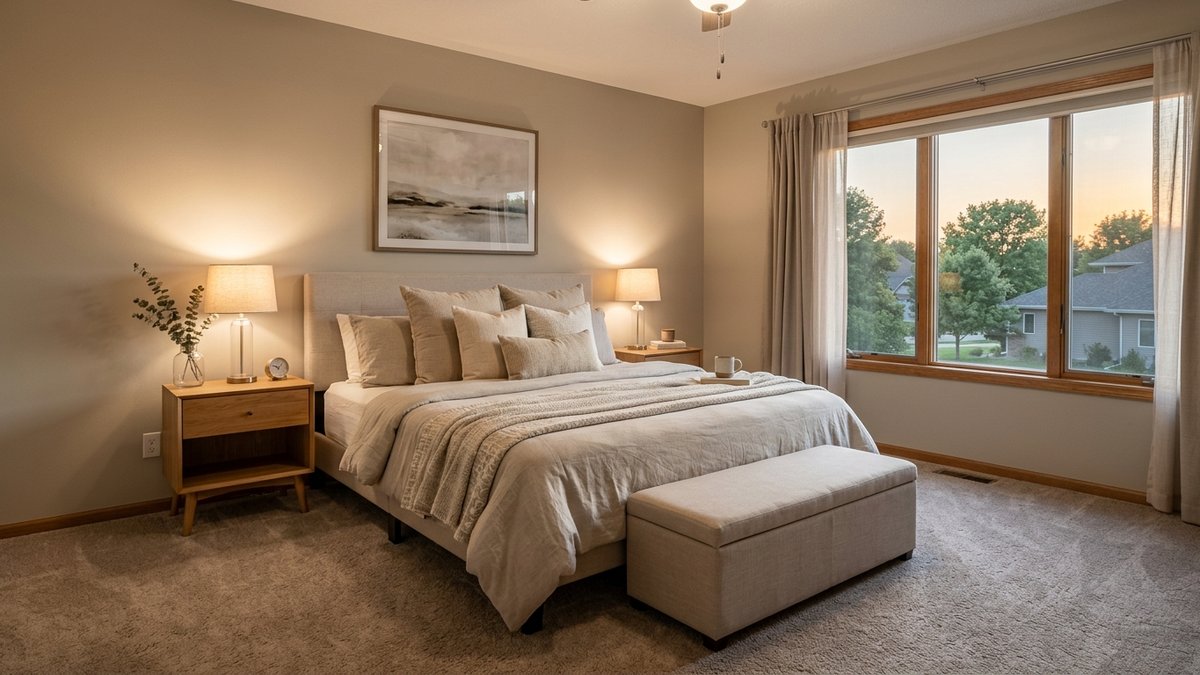
What can a video tour tell you before you travel?
A live video tour can help you decide whether a property deserves a closer look. Ask the person showing the home to move through the rooms at a pace that lets you see how spaces connect, what is visible from windows, and which questions need a second look. Keep a written list of follow-up questions instead of treating a polished camera walkthrough as a complete evaluation.
Use the tour to screen, not to certify condition. A camera may miss a sound, odor, operation issue, or area outside its view. Ask for close views of features you want to understand, but note which answers still depend on an in-person visit or a qualified professional. If a room, system, or exterior area is not shown clearly, mark it as unknown rather than filling the gap with an assumption.
Remote buyers can also ask for a second tour after reviewing disclosures or inspection findings. That makes the follow-up more focused: you can point to a location or question rather than repeat the entire showing. Our South Dakota remote home inspection guide covers how to organize observations when you cannot attend every visit yourself.
Who should assess the home beyond the video tour?
Arrange a local home inspection and ask what the inspector’s work does and does not cover. The South Dakota Real Estate Commission describes a home inspection as a visual evaluation by a regulated inspector, not an engineering evaluation. That distinction matters when a question calls for specialized testing or a technical opinion beyond the inspection’s scope.
Before the appointment, send the inspector the questions that matter to you and ask how findings will be documented. Confirm how you will join remotely, whether the inspector can explain observations by video or phone, and how you will receive the report. Ask which concerns call for a separate qualified specialist. A general inspection can help identify visible conditions, but it is not a substitute for every specialty review a property may need.
Use the report to decide what remains unresolved. If a finding needs a closer evaluation, ask the appropriate professional what evidence or access is needed and whether you need to be there. Do not assume a video call replaces a specialist’s site visit. The inspection is one input to your decision and cannot predict future performance or confirm that every concealed issue has been found.
How should you coordinate the contract, disclosures, and documents?
Build your dates from the actual signed purchase agreement and the instructions of the professionals handling your transaction. South Dakota’s residential purchase-agreement form illustrates that inspection choices and deadlines are negotiated terms. It is an example of contract language, not legal advice. The current signed agreement and the people qualified to advise you control your specific questions.
Ask when you need to review seller disclosures, inspection results, title materials, and financing documents. Make sure the right person knows how to reach you while you are away and how quickly a question needs a response. If a document refers to a deadline or choice you do not understand, contact the real estate or legal professional responsible for that advice rather than relying on a general article or a sample form.
A remote purchase can involve several calendars at once. Keep a single checklist with the date, responsible person, document or appointment, and next step. Add time for follow-up if an inspection raises a new question or a document is incomplete. The South Dakota closing timeline guide can help you identify general stages to ask about, but it cannot predict the schedule for your particular transaction.
When is an in-person visit worth planning?
Consider a visit when an important decision depends on seeing something yourself, when a professional cannot answer a question remotely, or when the transaction calls for a personal walkthrough before closing. The South Dakota purchase-agreement form references a personal preclosing inspection, but that example does not tell you what your own agreement requires. Confirm the language and timing with the appropriate professional.
A visit can help you experience practical details that are hard to judge on a screen, such as the route to the home, how the rooms feel together, or the surrounding setting at the time you are there. It may also let you attend a follow-up inspection or review an area that was inaccessible during the first appointment. Those are reasons to consider travel, not proof that every buyer needs the same number of trips.
If you cannot travel, identify who can attend on your behalf and what they are being asked to observe. A local professional can report on matters within their role, but should not be treated as your personal substitute for every decision. Decide in advance which unresolved questions would change your plans, and keep a travel option open if one of those questions cannot be answered another way.
Can you sign and close entirely remotely?
Do not assume that remote signing is available for every document in your transaction. South Dakota permits remote electronic notarization, but that state-level availability does not establish that a particular lender, title or closing provider, document, or recording step can be handled remotely. Confirm your process with the people handling the actual transaction before you depend on it.
Ask the lender and closing team what signing methods they accept, which documents need notarization, how identity checks work, and whether any original paperwork or in-person appointment is required. Confirm how funds are sent and when the closing team expects the transaction to be ready for recording and possession. Ask who will contact you if a document, funding step, or schedule changes.
Make a backup plan for a delayed appointment, a signing method that is not accepted, or a change in travel dates. The backup might be a different signing arrangement or a revised trip, but the appropriate provider needs to confirm what is possible. Our guide to choosing a South Dakota title company explains questions to raise with the closing team. It does not determine which provider or process fits your transaction.
How can you assign owners and dates to the remote-buying plan?
Turn the process into a dated checklist with one person responsible for each open item. The dates should come from your signed agreement and the actual lender, inspector, and closing team’s instructions, not from a universal schedule. Track evidence as well as appointments so you can tell what is confirmed and what still needs an answer.
| Stage | Person to coordinate with | Evidence or confirmation | Travel or backup question |
|---|---|---|---|
| Remote screening | Agent or showing contact | Tour, follow-up questions, and items not visible | Does an unanswered question warrant another visit? |
| Inspection and follow-up | Regulated inspector and any specialist | Inspection report and any separate findings | Must a professional or buyer return to the property? |
| Disclosure and document review | Relevant real estate, title, and financing professionals | Disclosures, title materials, financing instructions, and deadlines | What requires your presence or a live appointment? |
| Final walkthrough | Closing team and the person attending | Confirmed walkthrough plan and any issues to report | What if travel is delayed or you cannot attend? |
| Signing and possession | Lender and closing provider | Accepted signing method, funding steps, recording plan, and possession details | What is the backup if a remote step is unavailable? |
Keep a contact and decision log with the date, person, answer, and next step. When two people give different instructions, ask the professional responsible for that part of the transaction to reconcile them. Before booking nonrefundable travel, verify the appointment and signing plan again with the provider. The goal is not to remove every uncertainty from a home purchase. It is to know which questions are answered, who owns the remaining ones, and what you will do if a key step changes.
A remote purchase is most manageable when video tours narrow the search, local professionals evaluate what requires on-site attention, and the lender and closing team confirm transaction-specific logistics. Contact Michelle Maloney Real Estate to discuss how a South Dakota housing search can fit your move plan.
Frequently asked questions
Can I buy a South Dakota home without visiting it?
Some parts of a purchase can be coordinated remotely, but whether you need to visit depends on the property, your questions, your agreement, and the professionals handling the transaction. Use video tours to screen and arrange local inspection, then decide which unanswered questions call for a personal visit.
Does a video tour replace a home inspection?
No. A video tour can help you screen a home, while a regulated local inspector evaluates visible conditions within the inspection's scope. Ask the inspector what was not assessed and whether a specialist should follow up.
Can South Dakota home closing documents be notarized online?
South Dakota permits remote electronic notarization, but that does not confirm that every document or a particular lender and closing provider will accept a fully remote process. Check the requirements for your transaction directly with them.
When should an out-of-state buyer book travel?
First confirm the appointment, inspection, walkthrough, and signing needs with the people handling the transaction. Keep a backup for schedule changes, and avoid assuming that a general closing timeline will fit your purchase.
Who can answer questions about inspection deadlines in my agreement?
The signed agreement controls the transaction. Ask the real estate or legal professional qualified to advise you about its terms and deadlines. A sample form or general guide is not a substitute for that advice.
SourcesSouth Dakota Real Estate Commission Consumer Information · South Dakota Real Estate Commission Residential Purchase Agreement · South Dakota Secretary of State Remote Electronic Notarization
Related South Dakota resources

Work with Michelle Maloney
Bring Michelle the town, property type, timeline, and the decision you are stuck on. She will help you compare Sioux Falls, Vermillion, Yankton, Tea, Beresford, Elk Point, and the Sioux City corridor against the way you actually need to live or sell.